Thinking about moving to Greensboro and wondering what life here really feels like? You want a friendly city with character, solid everyday amenities, and an easy way to get around. You also want clear guidance on neighborhoods, schools, and what to expect when you start your home search. This guide gives you a practical, local view so you can make confident decisions. Let’s dive in.
Greensboro at a glance
Greensboro sits in the heart of North Carolina’s Piedmont Triad, alongside Winston-Salem and High Point. It blends historic in-town neighborhoods with growing suburban communities and a lively downtown. You’ll find cultural anchors like UNC Greensboro and North Carolina A&T State University, a strong healthcare presence through Cone Health, and a regional airport that makes travel simple. For city services, parks, and local updates, start with the City of Greensboro website.
Neighborhoods to know
Downtown and Northside
Downtown Greensboro is walkable, lively, and packed with theaters, galleries, and restaurants. You’ll see condos, loft conversions, and new mixed-use buildings that appeal to people who want a car-light lifestyle. The nearby Northside, including spots around Fisher Park and the Fan District, offers tree-lined streets and historic homes within minutes of downtown. Expect a mix of classic architecture and modern updates.
Fisher Park, Westerwood, and Lindley Park
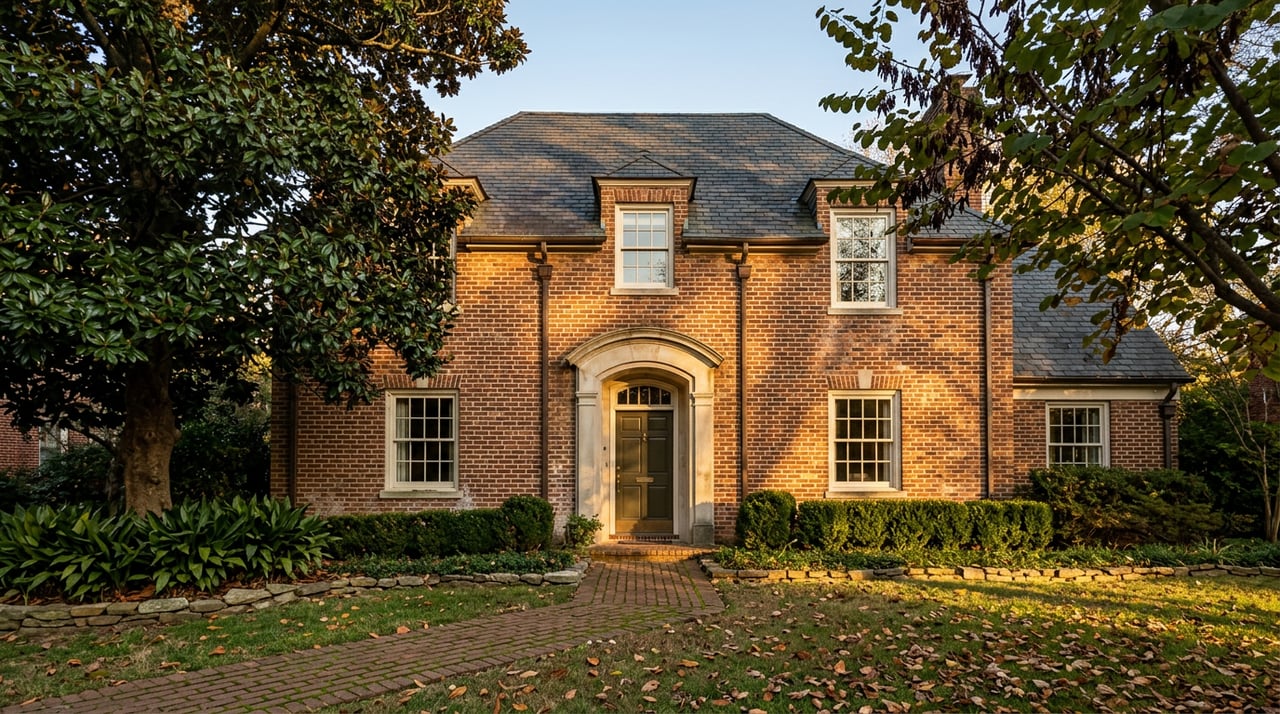
These in-town neighborhoods are known for early 20th-century homes, craftsman bungalows, and active neighborhood associations. Parks, coffee shops, and local eateries are never far, and weekend strolls are part of the lifestyle here. If you value character, walkability, and community events, this cluster stands out. Homes range from smaller bungalows to larger historic properties.
Irving Park and nearby Glenwood
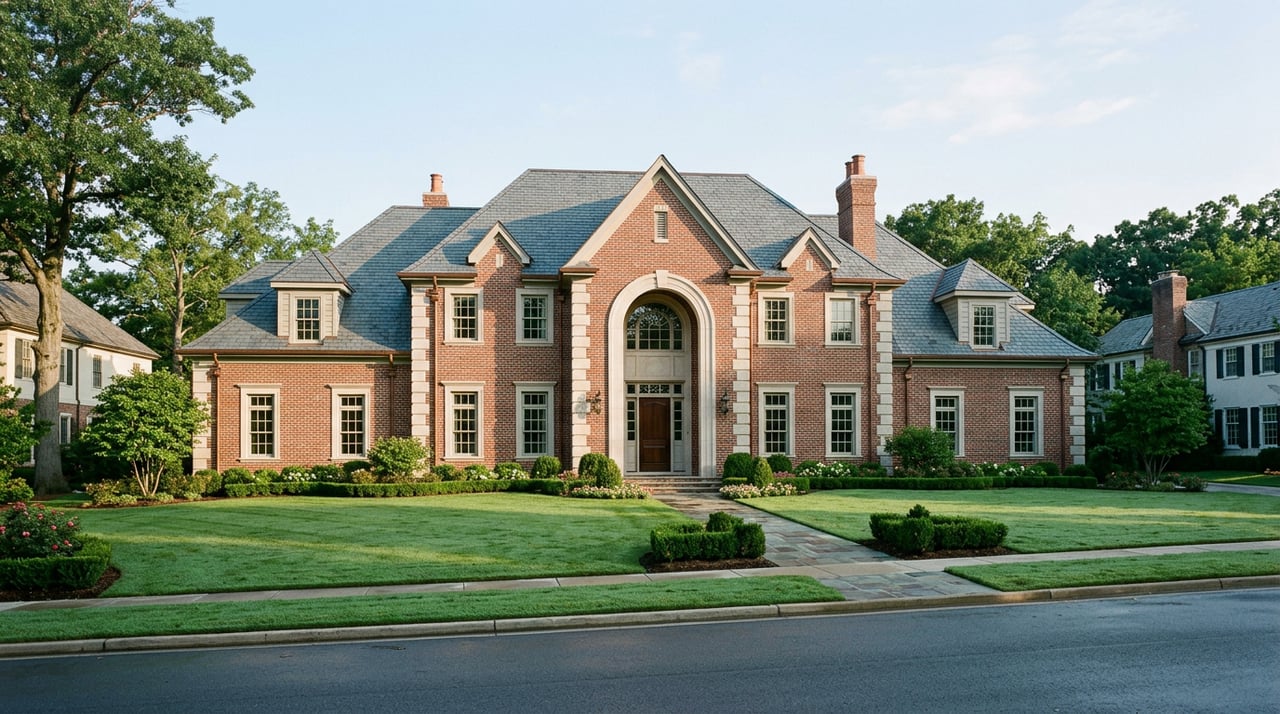
Irving Park features larger historic homes and premium in-town properties near the golf club and established streetscapes. Nearby Glenwood brings classic early 20th-century charm with porches and yards that draw people who want vintage details and easy access to central Greensboro. Both areas offer quick connections to downtown and major corridors.
Southside and South Elm
Southside has seen steady revitalization with townhomes, apartments, and renovated single-family homes. You can enjoy urban amenities and local restaurants while staying close to the university areas. If you want an in-town feel without the price point of the most premium historic pockets, this corridor is worth a look.
Friendly Avenue corridor and Lindley Plaza
Along Friendly Avenue and near Lindley Plaza, you’ll find a mix of retail, dining, and residential options. Housing includes single-family homes, duplexes, and small apartment communities. This corridor is convenient for daily errands and offers a blend of older homes and newer updates.
East Greensboro and the Guilford College area
East Greensboro offers a mix of older single-family homes, established streets, and quick access to parks. The area around Guilford College includes quiet residential pockets that attract people who want a campus-adjacent setting and green space. You’ll see mid-century ranches with good footprints for updates.
Suburban ring and nearby towns
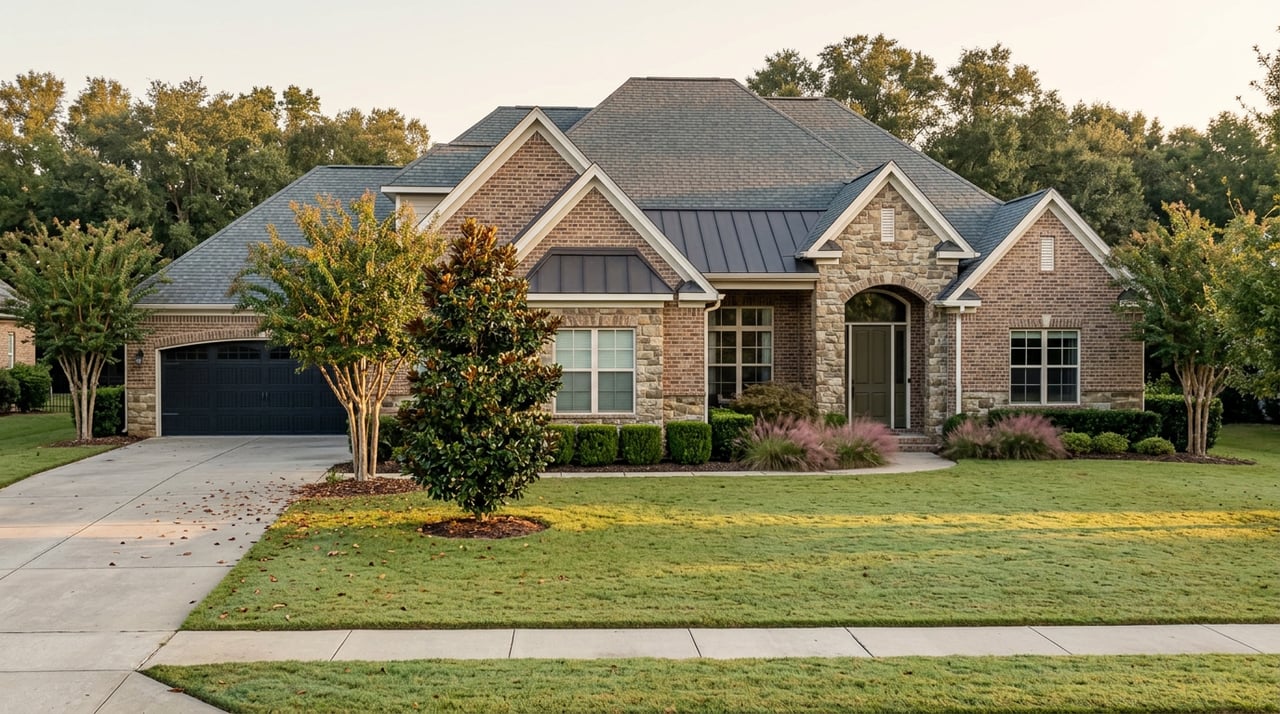
If you want larger lots, newer construction, and master-planned amenities, look at the suburban ring and nearby towns like Summerfield, Jamestown, Pleasant Garden, Oak Ridge, and Browns Summit. Many communities here feature newer single-family homes and planned neighborhoods. Commutes into central Greensboro are usually manageable, and you can balance yard space with access to shopping and schools.
What homes look like and who they suit
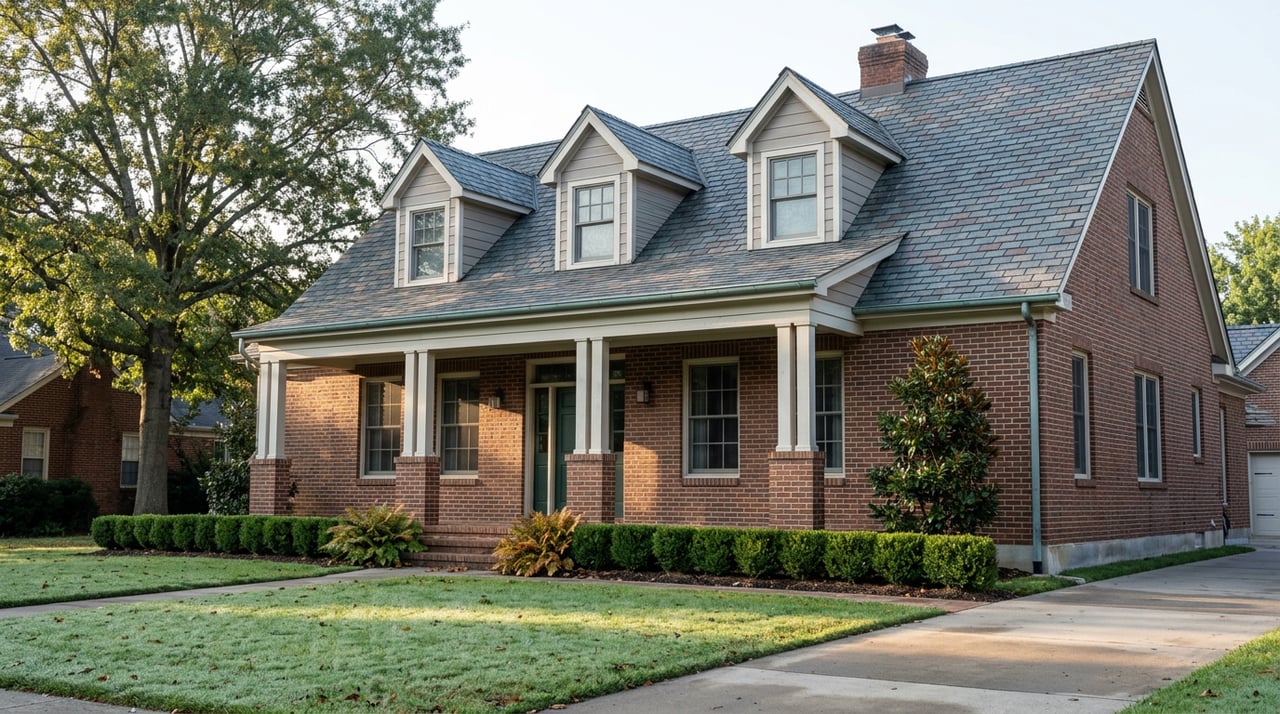
Greensboro’s housing stock is diverse. In-town, you’ll see Colonial Revival, Craftsman bungalows, Tudor styles, and larger historic homes in places like Fisher Park and Irving Park. Across the city and inner suburbs, mid-century ranches and split-levels are common and often updated with open kitchens and reworked primary suites. New construction tends to cluster in outer neighborhoods and nearby towns with single-family homes, townhomes, and planned communities.
- Entry-level buyers often look at smaller single-family homes, townhomes, and condos in many in-town pockets and select suburban areas.
- Move-up buyers target larger in-town historic houses or suburban single-family homes with more space and yard features.
- Premium buyers often consider Irving Park, select streets in Lindley Park, and newer estate-style homes in the exurbs.
If you plan to renovate, older homes can reward you with character and walkability. If low maintenance is the priority, newer suburban construction or a downtown condo can simplify daily life.
Getting around: driving and transit
Highways and driving
Interstates I-40 and I-85 cross near Greensboro, and U.S. Routes 29 and 220 connect north-south and east-west commutes. Many people commute within the city or to other Triad hubs, with rush-hour slowdowns near major interchanges. If commuting is a priority, “test drive” your route during peak times before you buy. Downtown has structured parking and street options that make errands straightforward.
City and regional buses
Greensboro Transit Agency runs city bus routes that serve major corridors and job centers. Review schedules and maps on the Greensboro Transit Agency page. For travel between Triad cities, the Piedmont Authority for Regional Transportation connects key destinations, which you can explore on the PART site.
Trains and flights
Amtrak’s Carolinian and Piedmont routes stop in Greensboro, which is helpful for trips to Raleigh or Charlotte. For air travel, Piedmont Triad International Airport sits in Greensboro with a range of domestic routes; you can check airlines and parking at Piedmont Triad International Airport.
Biking and greenways
You’ll find greenway segments, park trails, and improving bike lanes in walkable neighborhoods like Downtown, Lindley Park, and the UNCG area. If biking or walking matters to you, tour neighborhoods at different times of day and note sidewalk connectivity, crossings, and trail access.
Schools and education basics
Public K–12
Guilford County Schools serves most of Greensboro. School boundaries can vary by address and sometimes change, so you should verify zoning for any home you consider. Use the district’s Guilford County Schools boundary lookup to check a specific property. For deeper performance details, review district report cards and speak with the enrollment office as part of your due diligence.
Colleges and universities
UNC Greensboro and North Carolina A&T State University add cultural events, research, and sports to city life. Proximity to campuses can influence rental demand and neighborhood activity. If you want a quieter setting, tour streets just beyond the busiest student corridors.
Private and charter options
Private and charter schools exist across the city, and admissions policies vary. Research program offerings, transportation, and application timelines early if you are planning a school change as part of your move.
Everyday life: parks, healthcare, and culture
Healthcare access
Cone Health is the primary healthcare system in Greensboro with hospitals, specialty clinics, and urgent care locations. If access to care is a deciding factor, map your preferred providers near your target neighborhoods and confirm services through Cone Health.
Parks, museums, and activities
Greensboro offers plenty of green space and family-friendly outings. Favorites include the Greensboro Arboretum and Botanical Gardens, Bicentennial Garden, Bur-Mil Park, Country Park, and Guilford Courthouse National Military Park. The Greensboro Science Center combines a zoo, aquarium, and museum in one spot, and the Greensboro Coliseum Complex hosts concerts, sports, and trade shows. Check city calendars for festivals and neighborhood events throughout the year.
Food, shopping, and local vibes
You can sample a growing restaurant and brewery scene downtown, along South Elm, and on Friendly Avenue. Independent shops mix with larger retailers along main corridors and near major highways. Weekend farmers markets and neighborhood gatherings are common, so plan a few Saturday scouting trips to get a feel for each area.
Costs, taxes, HOAs, and risk checks
Property taxes in Greensboro are administered by Guilford County. Rates and billing can change, so confirm current details with the Guilford County Tax Office. Newer neighborhoods often have homeowners associations that set covenants and fees, which can include maintenance standards and amenity costs. Review HOA budgets, rules, and reserves before you make an offer.
Risk checks are part of smart due diligence. If a home is near a creek or sits at a low point, use the FEMA Flood Map Service Center to see flood zones and discuss insurance with your lender. Many buyers in this region also order termite and radon inspections, especially for older homes. In North Carolina, closings are attorney-led, so plan on hiring a real estate attorney for the final steps and title work.
Smart home search tips
- Get preapproved with a local lender so you can act quickly and compare neighborhoods with a clear budget.
- Tour at different times to see commute patterns, parking, and neighborhood activity.
- Verify school zoning and bus routes early, then confirm again before closing.
- For older homes, budget for maintenance and updates based on inspection findings.
- Explore our tech tools like IDX search, instant home valuation, and a mortgage calculator to reduce guesswork while you plan.
Ready to explore Greensboro with a local guide who knows the nuances street by street? Reach out to Carolina Home Partners for a friendly strategy call, neighborhood suggestions that fit your goals, and a smooth, team-supported path to closing.
FAQs
Which Greensboro neighborhoods balance character and convenience?
- In-town areas like Lindley Park, Westerwood, and Fisher Park offer historic homes, parks, and local cafés, with quick access to downtown and major roads.
How do I check school zoning for a specific Greensboro address?
- Use the district’s Guilford County Schools boundary lookup and confirm details with the enrollment office since boundaries can change.
What is commuting like around Greensboro and the Triad?
- Many residents commute within the city or to nearby Triad hubs; test your route during peak times and review GTA and PART options for bus service.
Where can I find current local tax information?
- Property taxes are handled by Guilford County; check rates and billing with the Guilford County Tax Office.
Are there flood or environmental risks I should consider?
- Review flood zones on the FEMA Flood Map Service Center and plan on termite, radon, and general home inspections as part of your due diligence.
What healthcare options will I find nearby?
- Greensboro is served by Cone Health, which offers hospitals, clinics, and specialty care across the city.