Gibsonville, North Carolina
Gibsonville offers a distinctive position between Greensboro, Burlington and Elon. Its historic Main Street, active railroad corridor and compact downtown create a recognizable town center, while the surrounding 27249 area includes established neighborhoods, newer communities and quieter properties with more land.
The town crosses the Guilford–Alamance county line, making the exact address especially important when comparing homes. County location, school assignment and access to daily destinations can differ even when two properties share a Gibsonville mailing address. This guide helps you understand those differences before arranging a tour.
Getting Oriented
Gibsonville is more than a point between two larger cities. It has a defined downtown, municipal services and community spaces of its own. At the same time, its position near the county line means buyers should look beyond the city name and understand how each property relates to Main Street, nearby highways and the destinations used every day.
Main Street, the Town Greens and the railroad form Gibsonville’s most recognizable center. Homes nearby can place local restaurants, community events and downtown landmarks within a shorter drive or walk.
Western and northern addresses connect more directly with eastern Greensboro, McLeansville and Guilford County destinations. Several local public-school campuses are also located on this side of town.
Eastern Gibsonville is closely connected with Elon and Burlington. This side can be practical for buyers whose regular routine includes Elon University, Burlington services or other Alamance County destinations.
A Gibsonville mailing address can extend beyond the compact town center. These areas may include country roads, larger homesites, working land and newer residential pockets with a different daily rhythm from downtown.
Local tip: use the street address—not only “Gibsonville, NC”—when checking the county, school assignment, utilities and normal travel route for a property.
Homes and Residential Settings
Gibsonville’s housing reflects several stages of local growth. Streets near downtown can include older cottages, mill-era homes and traditional houses on established lots. Other areas offer brick ranch homes, split-level designs and familiar suburban layouts. Newer communities appear around the town’s expanding edges, while the broader postal area includes properties with more acreage and privacy.
The setting matters as much as the house. A downtown-area home may make community events and local businesses easier to reach. A subdivision can provide a more consistent neighborhood layout. A property outside the center may offer more outdoor space but require additional driving for everyday errands.
Buyers may encounter older homes, mature trees and streets connected to Gibsonville’s historic core and railroad-centered development.
Mid-century and later residential areas can offer familiar home styles, practical yards and convenient access to schools or town services.
The town’s edges and wider 27249 area can include newer construction, modern floor plans and properties with additional land.
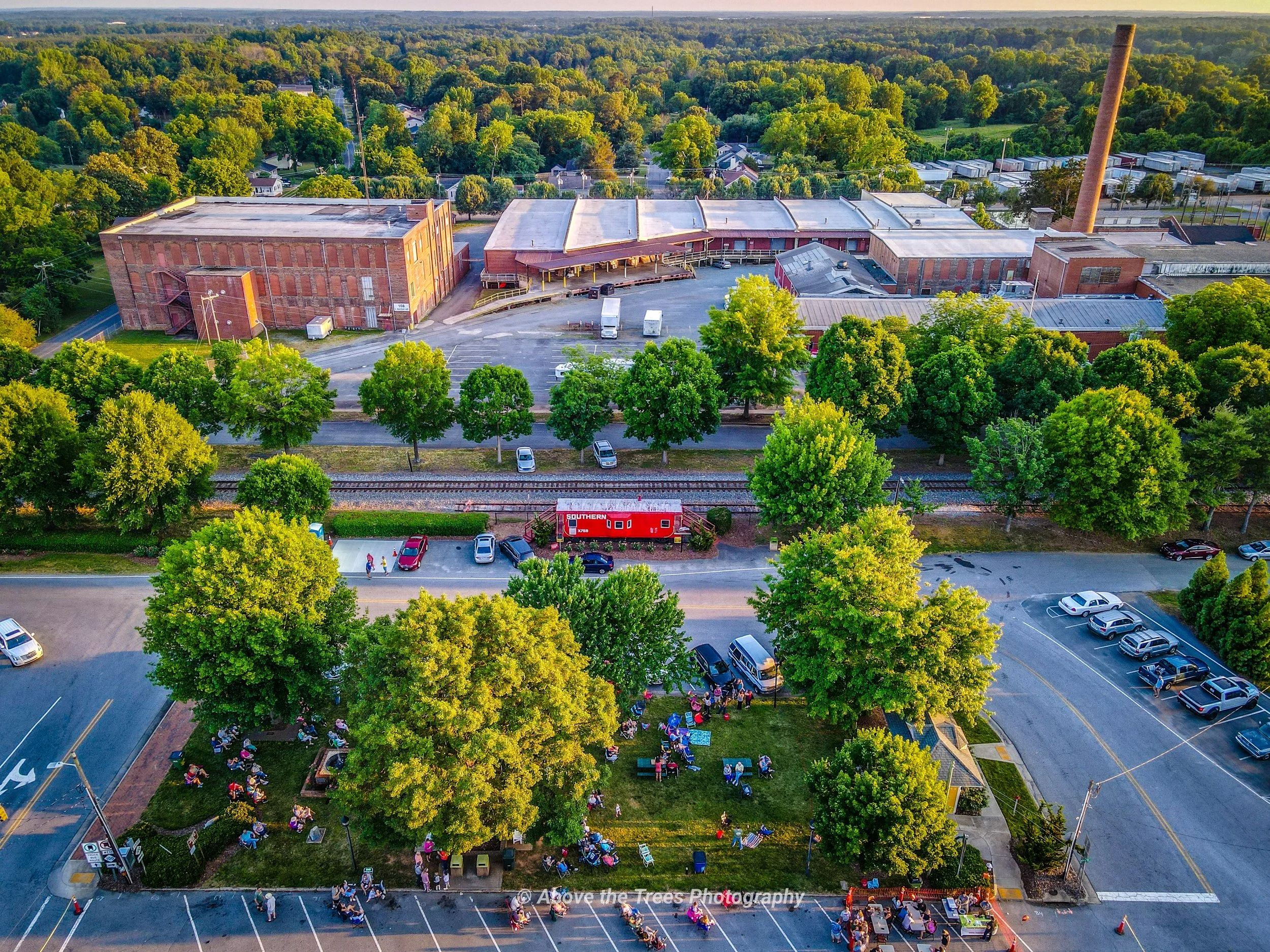
Gibsonville was incorporated in 1871 and named for Joseph Gibson. The town’s railroad history remains visible along Main Street, where the tracks, Town Greens, Depot Stage and red caboose create a gathering place that feels distinctly local.
The longtime “City of Roses” name dates to the roses once seen by railroad passengers near Minneola Mill. That connection between the railroad, textile history and community landscaping continues to shape Gibsonville’s public identity.
Today, the red caboose contains a welcome center and train-history exhibit. It also marks the starting point for a one-mile self-guided historic walking tour. The Town Greens host the Gibsonville Garden Railroad and seasonal community activities, giving the downtown more purpose than a simple row of storefronts.
Parks and Outdoor Recreation
Gibsonville gives residents several ways to spend time outdoors. Town facilities support everyday recreation close to established neighborhoods, while Northeast Park expands the options with a much larger natural and recreational setting north of town.
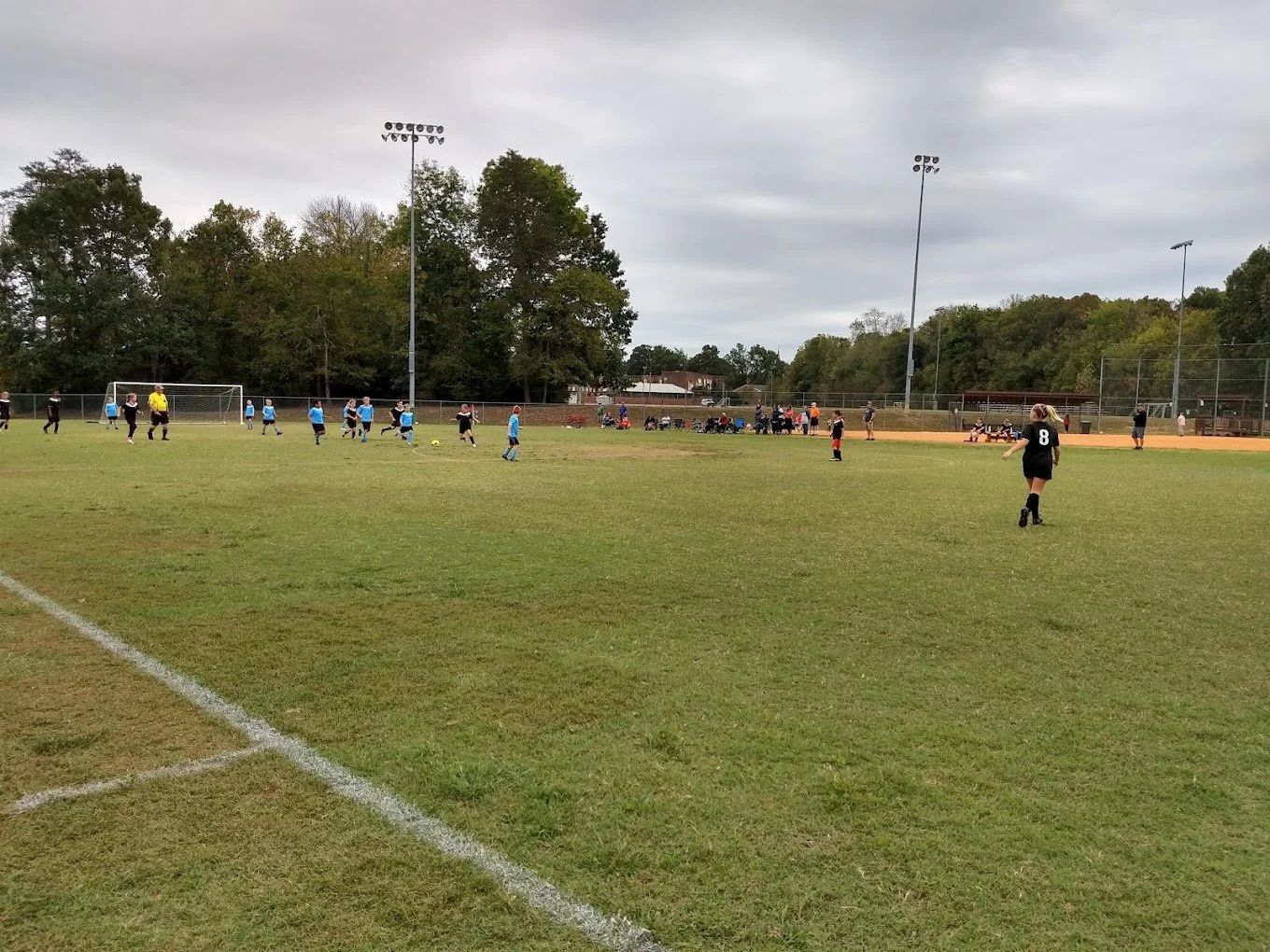
Located around Piedmont Avenue and Boonwood Road, the complex includes multipurpose fields, picnic shelters, tennis, beach volleyball, a playground and paved and natural walking paths.
This Tenth Street park offers a multipurpose field, basketball courts, a short paved walking trail, picnic space, a playground and a neighborhood-scale setting.
The 374-acre Guilford County park includes hiking, biking and equestrian trails, athletic fields, playgrounds, picnic areas, a dog park, fishing opportunities and an aquatic center.
Everyday Life
Downtown Gibsonville supports a small-town mix of restaurants, cafés and independent shops. Antique and vintage shopping, specialty retail and locally owned food options give Main Street a more personal character than a conventional shopping center. The downtown social district and Town Greens also support an active calendar of markets and community events.
For a broader selection of grocery stores, medical offices and major retailers, residents commonly look toward Elon, Burlington or Greensboro. The most convenient direction depends on which side of town you choose and where work, school or other regular commitments are located.
Main Street, the Town Greens, the red caboose and downtown shops can be combined into an easy local outing without leaving Gibsonville.
Elon and Burlington expand the nearby choices to the east, while Greensboro provides additional retail, healthcare and entertainment options to the west.
Downtown markets, Depot Stage programs and seasonal gatherings make the historic center an active part of community life throughout the year.
Roads and Regional Access
US 70 follows the Main Street and Burlington Road corridor through the area, providing an important east-west connection between Greensboro, Gibsonville and Burlington. NC 61 serves as a primary north-south route. The surrounding road network also connects with I-40 and I-85 outside the center of town.
Public transportation is available through Link Transit, which serves Gibsonville along with Burlington, Elon, Graham and Mebane. Regional connections are available through the PART network. Because schedules and stops can change, buyers who expect to use transit should review the current route for the exact address.
The active railroad is part of Gibsonville’s character, but proximity to the tracks and crossings should be considered practically. Visiting a home at different times can help you understand train activity, road traffic and the route you would use during a normal week.
Local Schools
Gibsonville spans two counties, so public-school assignments are not identical throughout the community. Addresses on the Guilford County side may be served by Guilford County Schools, while Alamance County addresses may be served by Alamance-Burlington School System. Buyers should confirm every assignment using the specific property address.
This Guilford County Schools campus is located within Gibsonville and serves part of the local community. Assignment still depends on the current attendance boundary.
Both campuses are located on Peeden Drive in Gibsonville and are familiar landmarks for many households on the Guilford County side.
Homes east of the county line can follow Alamance-Burlington School System attendance areas. Confirm the assigned elementary, middle and high school directly with ABSS.
A nearby school is not always the assigned school. Use the district’s current address-based lookup before making a decision around a particular property.
Before You Tour
Gibsonville’s county line, railroad and wide range of residential settings make address-level research especially useful. These questions can help you compare homes more clearly before deciding where to tour.
A local real estate agent can help group showings by location, compare county-specific details and explain how each property fits into the wider Gibsonville area.
Comparing Nearby Areas
Gibsonville can appeal to buyers who want a recognizable small-town center while keeping both the Greensboro and Burlington sides of the region within reach. Elon may be a useful comparison for buyers who want to stay closer to the university and its surrounding businesses. Burlington provides a larger concentration of shopping and services, while eastern Greensboro places more of the Gate City directly into the daily routine.
The right choice depends on more than distance. Compare the character of the streets, the route you would travel most often and how much of your week you want to spend within the community itself.
Gibsonville FAQs
Gibsonville is in North Carolina’s Piedmont Triad between Greensboro and Burlington. It is directly connected with Elon and sits across portions of Guilford and Alamance counties.
Gibsonville is in both Guilford County and Alamance County. Buyers should confirm the county for each property because school districts and some local services can depend on the exact address.
Gibsonville’s primary ZIP code is 27249. The postal area extends beyond the compact downtown, so properties with the same ZIP code can have very different surroundings and travel patterns.
Downtown centers on Main Street, the railroad and Town Greens. It includes local dining and shopping, the Depot Stage, a red caboose welcome center and access to a self-guided historic walking tour.
Buyers may find older homes near downtown, established ranch and two-story properties, newer neighborhood construction and homes with larger lots in the broader 27249 area.
Depending on the property’s county and attendance boundary, an address may be served by Guilford County Schools or Alamance-Burlington School System. Verify the current assignment directly with the appropriate district.
Local options include the William F. Moricle Recreational Complex and Edward G. Murrell Park. Northeast Park provides a much larger county recreation area with trails, athletic facilities, fishing, playgrounds, a dog park and an aquatic center.
Link Transit serves Gibsonville and connects with communities in Alamance County, including Burlington and Elon. Riders can also review PART services for broader regional connections.
Local Real Estate Guidance
Search available homes or connect with Carolina Home Partners for help comparing Gibsonville properties, county-specific details and nearby Piedmont Triad communities.
13,741 people live in Gibsonville, where the median age is 47.9 and the average individual income is $38,209. Data provided by the U.S. Census Bureau.
Total Population
Median Age
Population Density Population Density This is the number of people per square mile in a neighborhood.
Average individual Income
There's plenty to do around Gibsonville, including shopping, dining, nightlife, parks, and more. Data provided by Walk Score and Yelp.
Explore popular things to do in the area, including Reedy Fork Organic Farm, Apple Farms, and Asgard Farm.
| Name | Category | Distance | Reviews |
Ratings by
Yelp
|
|---|---|---|---|---|
| Dining | 1.65 miles | 0 reviews | 0/5 stars | |
| Dining · $ | 1.83 miles | 5 reviews | 5/5 stars | |
| Dining | 2.56 miles | 0 reviews | 0/5 stars | |
| Dining | 3.79 miles | 0 reviews | 0/5 stars | |
| Dining | 3.79 miles | 1 review | 1/5 stars | |
| Dining | 3.79 miles | 1 review | 5/5 stars | |
| Dining | 4.25 miles | 0 reviews | 0/5 stars | |
| Dining | 4.27 miles | 0 reviews | 0/5 stars | |
| Dining · $$ | 4.28 miles | 51 reviews | 4.5/5 stars | |
| Dining · $ | 4.29 miles | 32 reviews | 4.1/5 stars | |
| Shopping | 4.3 miles | 0 reviews | 0/5 stars | |
| Shopping | 4.32 miles | 0 reviews | 0/5 stars | |
| Active | 1.67 miles | 10 reviews | 4.5/5 stars | |
| Active | 3.74 miles | 3 reviews | 4.7/5 stars | |
| Nightlife | 4.29 miles | 0 reviews | 0/5 stars | |
| Beauty | 4.01 miles | 0 reviews | 0/5 stars | |
|
|
||||
|
|
||||
|
|
||||
|
|
||||
|
|
||||
|
|
Gibsonville has 5,701 households, with an average household size of 2.4. Data provided by the U.S. Census Bureau. Here’s what the people living in Gibsonville do for work — and how long it takes them to get there. Data provided by the U.S. Census Bureau. 13,741 people call Gibsonville home. The population density is 230 and the largest age group is Data provided by the U.S. Census Bureau.
Total Population
Population Density Population Density This is the number of people per square mile in a neighborhood.
Median Age
Men vs Women
Population by Age Group
0-9 Years
10-17 Years
18-24 Years
25-64 Years
65-74 Years
75+ Years
Education Level
Total Households
Average Household Size
Average individual Income
Households with Children
With Children:
Without Children:
Marital Status
Blue vs White Collar Workers
Blue Collar:
White Collar: