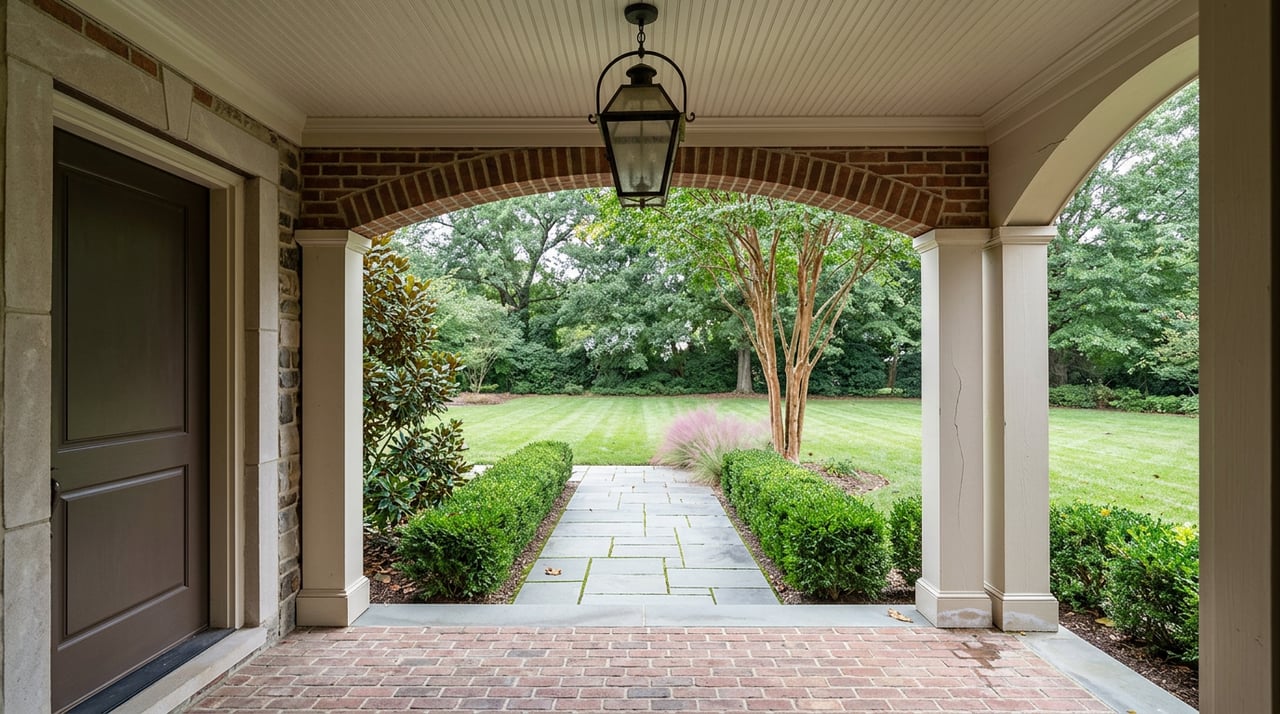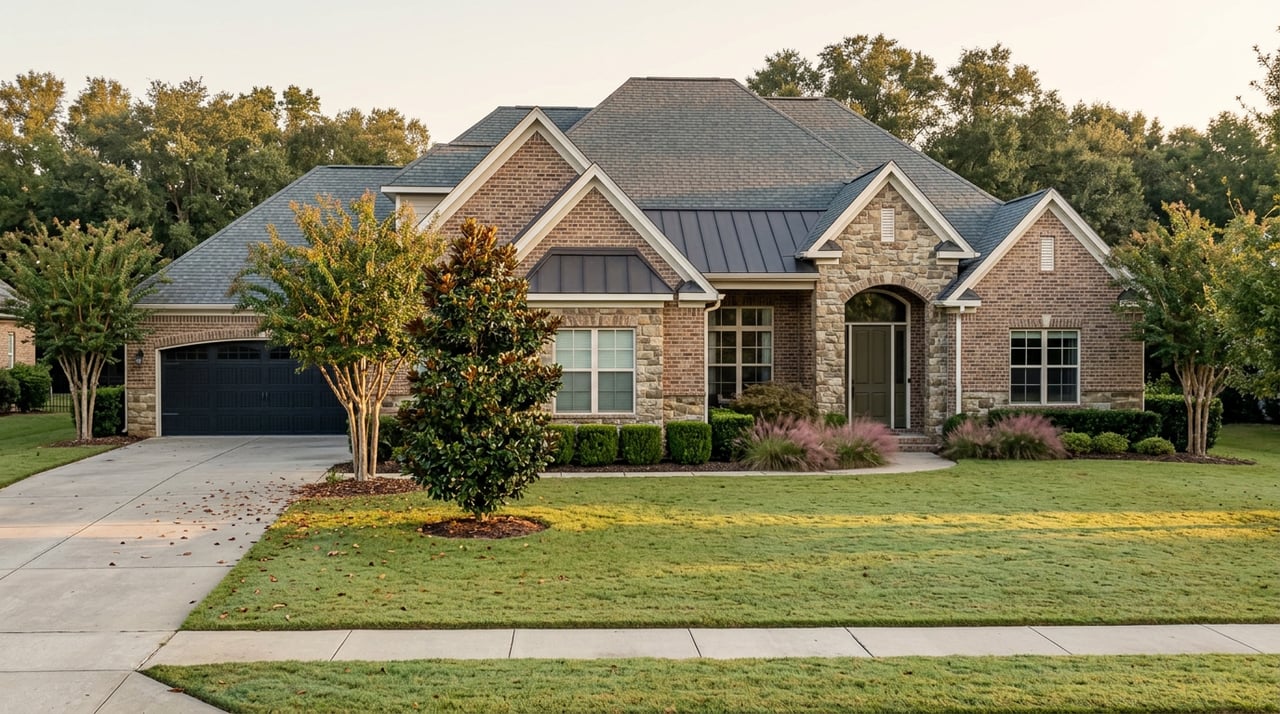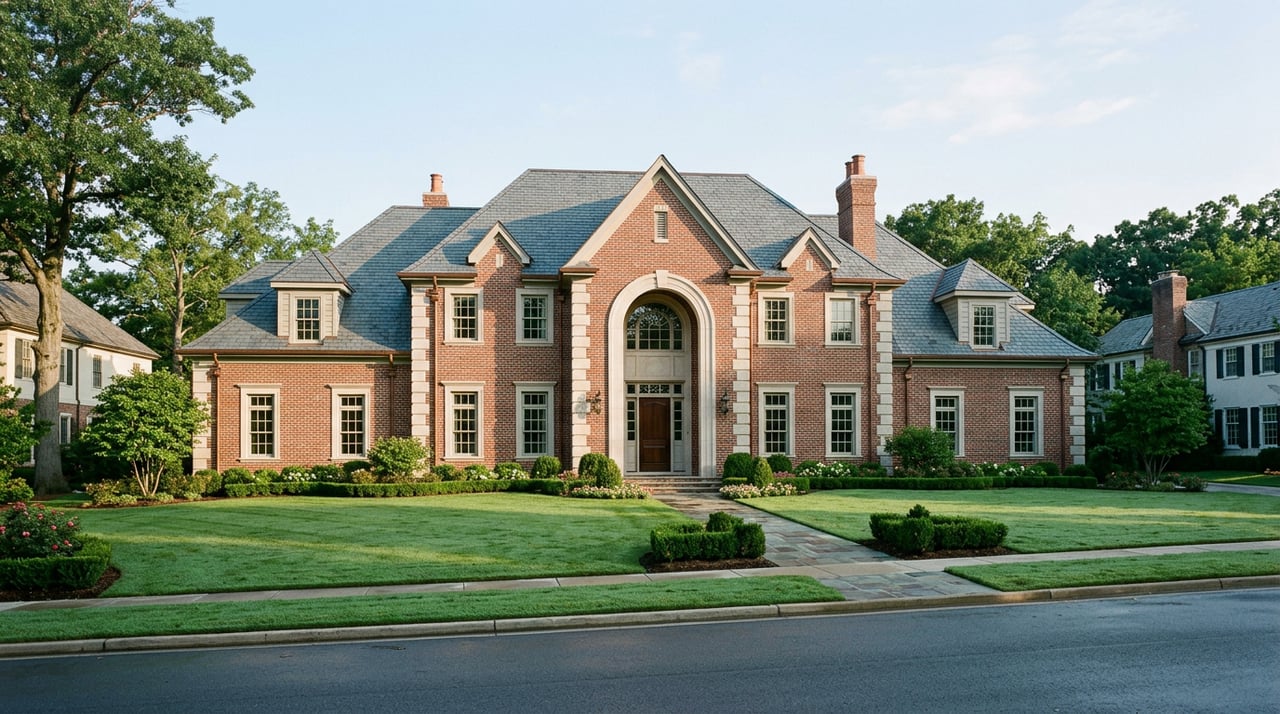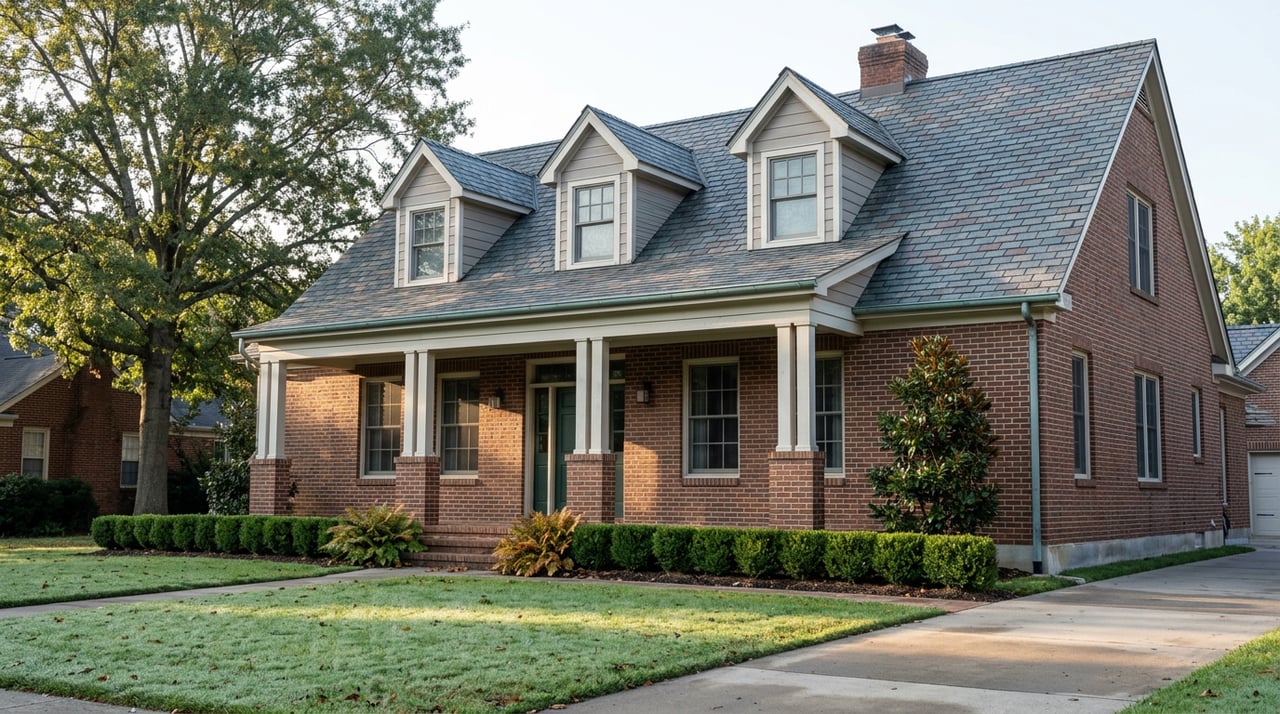
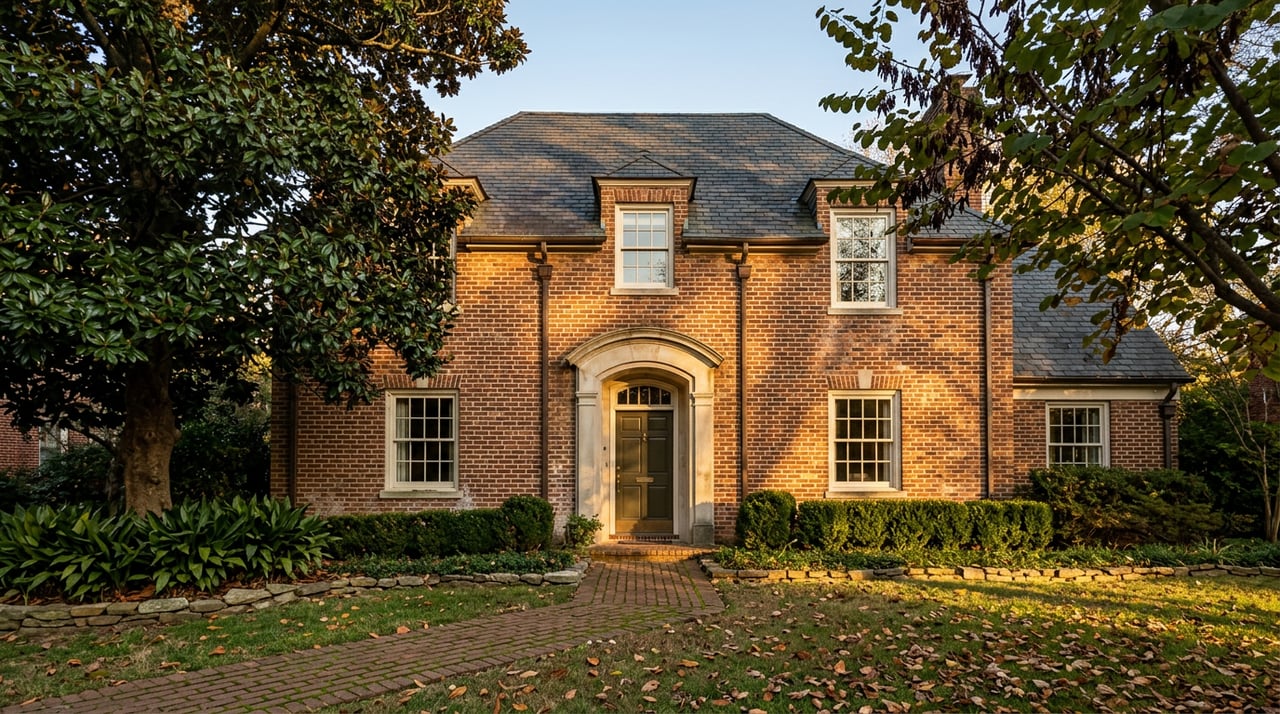
A buyer touring Fisher Park on a Saturday morning, then Irving Park that same afternoon, will hear the word "historic" attached to both. The houses look like they belong to the same story: deep porches, mature oaks, brick that has weathered a century of Piedmont summers. What the tour does not reveal is that one of those neighborhoods answers to a city commission before a homeowner can swap a roof material, and the other does not answer to anyone but the buyer's own taste.
That gap is not a footnote. It is the difference between a renovation that takes a weekend and one that takes a public hearing.
Same word, two different rulebooks
Greensboro has three neighborhoods locally zoned as historic districts: College Hill, Dunleath, and Fisher Park. In these three, a Certificate of Appropriateness from the city's Historic Preservation Commission is required before most exterior work begins. That covers roofing material, windows and doors, fences, decks, siding replacement, solar panels, satellite dishes, and cutting down any tree four inches or more in diameter. Minor items can be cleared at the staff level. Anything bigger, like new construction or a major addition, goes in front of the nine-member commission, which meets monthly to hear applications.
Sunset Hills and Irving Park carry a different designation entirely. Both are listed on the National Register of Historic Places, which is a recognition program. It documents architectural and historical significance and opens the door to certain tax credits, but it imposes no city review on what an owner does to the exterior of the house. A homeowner in Sunset Hills can replace a roof with whatever material she likes on a Tuesday afternoon. A homeowner in Fisher Park doing the same thing needs an approved application first.
This is the variable a portal search will never surface, and it is the reason two neighborhoods that photograph the same way in a listing can carry entirely different ownership experiences.
The city updated its Historic District Program Manual and Design Standards in September 2025, the first comprehensive refresh since 2003. The changes did not loosen the review requirement itself, but they did give newer "contributing" structures inside the districts, think midcentury additions to an otherwise Victorian-era streetscape, more latitude than the old standards allowed. If you are buying a 1960s infill house inside Fisher Park's boundary rather than a 1920s bungalow, that update is worth understanding before you assume the same rules apply to your renovation plans.
What the district status actually costs and returns
There is an upside to the local designation that buyers often miss entirely. Guilford County has 66 Landmark properties eligible for a property tax deferral of up to 50 percent. North Carolina also offers a state historic rehabilitation tax credit: 15 percent for owner-occupied historic homes, and income-producing historic properties can potentially combine a 20 percent federal credit with a 15 to 25 percent state credit if the rehab is certified. None of that applies automatically. Eligibility depends on the property and the scope of work, and it is a conversation for an accountant, not a blog post. But it means the review requirement in Fisher Park is not purely a cost. It comes paired with financial tools that Sunset Hills and Irving Park owners, lacking local designation, cannot access in the same way.
Here is the comparison in one place:
| Fisher Park | Old/New Irving Park | Sunset Hills | |
|---|---|---|---|
| Designation | Locally zoned historic district | National Register only | National Register only |
| Exterior review required | Yes, Certificate of Appropriateness | No city review | No city review |
| Primary architectural era | 1900s to 1930s | 1920s to 1950s | 1935 to 1965 |
| Tax credit and deferral access | Landmark deferral and state rehab credits potentially available | Not applicable at the city level | Not applicable at the city level |
What the price numbers actually hide
Ask three different listing sources for Fisher Park's median price and you will get three different answers, and the disagreement itself is informative. One neighborhood profile put the median around $570,000 as of January 2026. A different portal's trailing 12-month sold figure lands at $462,500, up 13 percent year over year. A third showed a February 2026 asking-price median of $729,000. These are not typos. They reflect different boundary lines drawn around "Fisher Park," different measurement bases with asking price treated separately from closed sale price, and different review windows.
The same pattern shows up in Old Irving Park. An August 2026 asking-price median lands at $635,000, while a separate portal's March 2026 snapshot showed a current listing median of $489,900 alongside a trailing 12-month sold median of $445,000, up 3 percent year over year. Inside that same boundary, listing data shows mansions on Country Club Drive priced from $900,000 to $2 million sitting alongside conventional ranch homes and bungalows priced from $200,000 to $1.2 million. A single median for that range tells you almost nothing about what a specific block actually costs.
Sunset Hills is comparatively easier to pin down. Zillow's home value index put the average there at $556,277 as of April 2026, up 4.2 percent over the past year, and homes there have recently been selling in around 23 days, well ahead of Greensboro's citywide pace.
Citywide, Greensboro's median sale price ran $285,000 over the three months ending in June 2026, up 1.8 percent year over year, with homes averaging two offers and selling in around 41 days. Every one of the three neighborhoods above sits meaningfully above that citywide figure, which is expected for premium in-town stock. What is not expected, and what a buyer comparing these three off a single site would miss, is that the medians for Fisher Park and Irving Park are unstable enough between sources that the "premium" itself is hard to pin to a single number. Treat any single portal median for these neighborhoods as a starting point for a conversation with an agent who knows the actual comps, not as a settled fact.
The country club variable nobody prices into the house
Irving Park's premium gets attributed to lot size and architecture, and both matter. But there is a third factor sitting inside the neighborhood's geography that does not show up on a listing sheet: the Greensboro Country Club. The club's Irving Park campus includes a golf course originally designed by Donald Ross in 1911, alongside a second course at its Farm campus redesigned by Donald Steel. Membership is by invitation only, requiring a sponsor and at least three additional members to serve as endorsers.
That membership does not transfer with a house purchase. Buying on Country Club Drive puts you inside the neighborhood the club calls home, and it may shorten a hypothetical sponsor's drive to visit, but it does not put a locker in the clubhouse under your name. For a buyer weighing an Irving Park premium against a comparable Sunset Hills or Fisher Park property, that distinction is worth separating out before assuming the price difference buys club access. It buys proximity. Access is a separate, private negotiation.
What this means if you are comparing these three neighborhoods
Before falling for the word "historic" on a listing description, ask which category the property actually falls into. If it sits inside College Hill, Dunleath, or Fisher Park, plan your renovation timeline around the Certificate of Appropriateness process and budget the potential upside of Landmark tax deferral or state rehab credits into your long-term math. If it sits in Sunset Hills or Old or New Irving Park, you gain renovation freedom the city will not slow down, but you also give up the credit and deferral tools that come with local designation.
None of that makes one neighborhood better than another. It makes them different products wearing the same label, and the difference is the kind of thing a buyer only learns after making an offer, unless someone tells them first.
If you are weighing a move into one of Greensboro's in-town historic neighborhoods and want a read on what a specific address actually falls under and what it is worth today, Carolina Home Partners can walk through the comps and the district rules together. Start with a free home valuation or explore more of what these neighborhoods offer on our Greensboro neighborhood page.